August 25, 2026
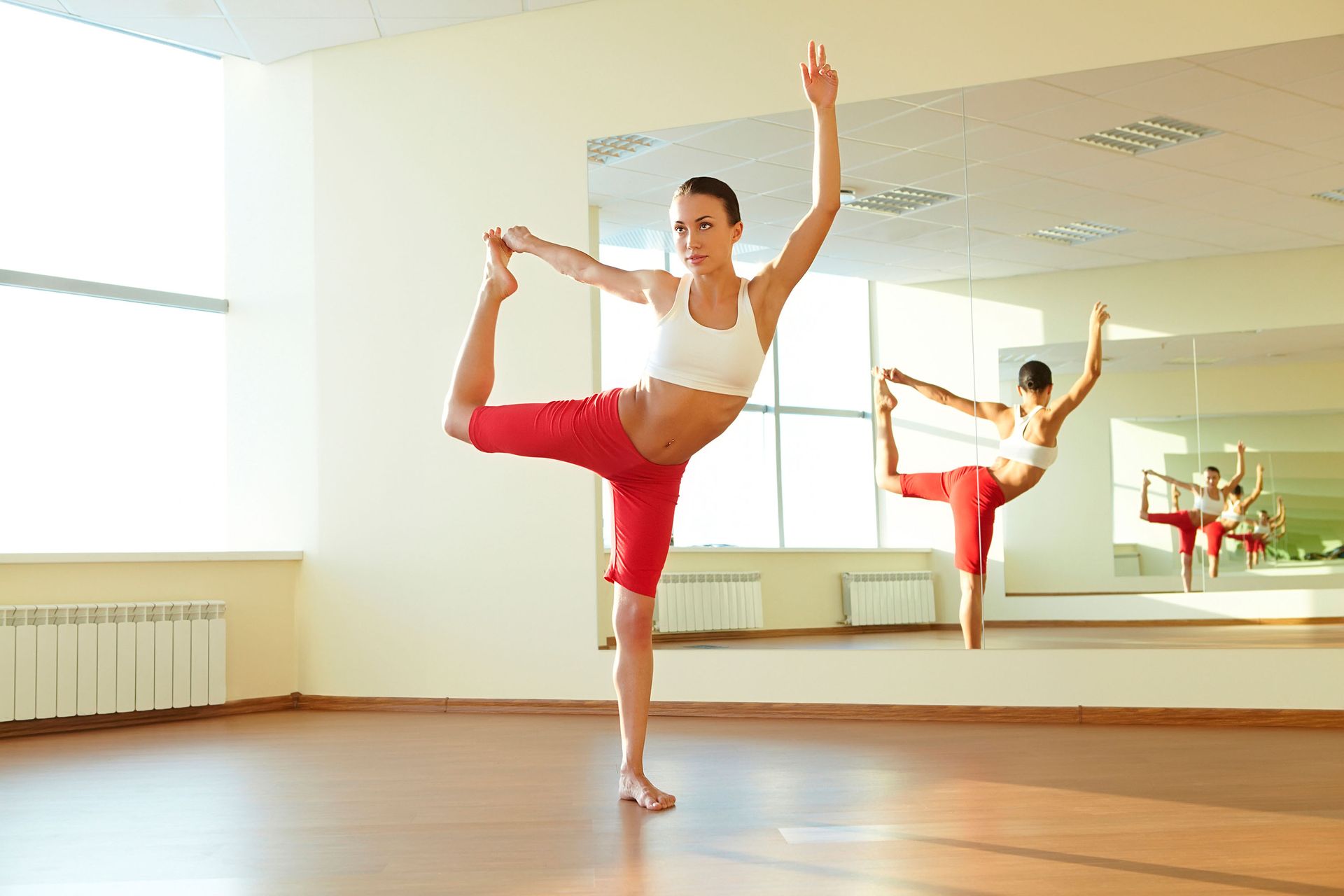
Installing a large-scale gym mirror can transform your workout space, providing visual feedback and enhancing the aesthetic of the room. However, there are various factors to consider to ensure safety and functionality. This article explores these considerations to help you make an informed decision. Understanding the installation, material choice, and safety implications can prevent long-term issues. By planning appropriately, your gym mirror will be a valuable addition to your fitness environment.
Assessing Wall Suitability
The first step before installing a large-scale gym mirror is to assess the structural integrity of the wall. This involves ensuring that the wall can adequately support the weight of the mirror without compromising safety. A weak or damaged wall could pose significant safety risks and may lead to damage or injury. Consulting a structural engineer might be necessary if there are any doubts about the wall's integrity. Ensuring the wall's strength helps provide a firm foundation for the mirror.
Different wall materials have varying capabilities for supporting substantial weight. For instance, concrete or brick walls have higher load-bearing capacity compared to plaster or drywall. Understanding the type of wall will determine the appropriate installation method and fixtures required. Each material may require specific anchors or support brackets to secure the mirror correctly. Selecting the right type of wall for your mirror is crucial in achieving a stable and long-lasting installation.
An essential consideration in mirror installation is determining the load-bearing capacity of the designated wall. Overloading the wall with a heavy mirror can lead to structural failure. Load-bearing walls generally provide more support and are less likely to fail under stress. It's crucial to consult with experts to determine the maximum load capacity of your wall. Understanding these limitations will help avoid potential hazards and damage.
Uneven wall surfaces can present challenges when installing a large-scale mirror. Imperfections may lead to inadequate mounting, creating gaps that affect the mirror's alignment. Addressing these inconsistencies early on is crucial for a smooth installation. Surface preparation might include plastering or sanding down high points to create an even base. Ensuring a flat surface will allow the mirror to sit flush against the wall, enhancing aesthetic appeal and security.
Before securing a mirror to the wall, identify any potential obstacles or fixtures that may impede the installation. These might include electrical outlets, light fixtures, or plumbing. Relocating or adjusting these elements is sometimes necessary to avoid interference. Proper planning and layout assessment will prevent later complications and ensure a seamless installation. Being proactive helps in designing a functional space without unnecessary hindrances.
Determining the Mirror Size and Thickness
Deciding on the mirror size begins with measuring the available wall area. The mirror should complement the room proportions without overwhelming the space. Standard gym mirrors often start at six feet in height to accommodate various exercises and user heights. A balanced mirror size creates both functionality and aesthetic appeal in your workout environment. Scale and reflection balance are essential considerations when determining mirror size.
Mirror thickness plays a critical role in its durability and resistance to breakage. Thicker mirrors, while heavier, provide more strength and longevity. Depending on usage and placement, thinner mirrors might suffice but are generally more susceptible to damage. Consulting with suppliers for recommended thickness based on usage is advisable. A thicker mirror generally enhances overall usability and safety in high-traffic gym areas.
The weight of the mirror significantly influences installation techniques and hardware choices. Heavier mirrors will require stronger support systems and may involve specialized mounting hardware. Ensuring the wall's capability to bear the mirror's weight is paramount. Proper installation avoids undue stress on the mounting system and minimizes hazards. Weight assessments aid in selecting appropriate wall fixtures and supports.
For larger gym spaces, multiple mirrors might be needed to cover the required area. Achieving a seamless continuity across mirrors demands precise measurements and alignment during the installation process. Gaps or overlaps can disrupt the space's aesthetics and reflectiveness. Carefully planned installation guarantees consistent visuals and a professional finish. Precision is key to maintaining a coherent and attractive reflective surface.
Choosing the Type of Mirror
When choosing a mirror type, glass and acrylic present the most common options. Glass mirrors offer superior clarity and scratch resistance compared to acrylic mirrors. However, acrylic mirrors are lighter and shatter-resistant, posing less danger if damaged. Evaluating the benefits and drawbacks of each material is key to selecting the most appropriate one for your environment. The choice depends on desired durability, safety, and clarity.
Reflective quality is crucial, especially in fitness spaces where accurate visuals aid performance. Glass often provides better reflective quality, though advancements in acrylic manufacturing have narrowed the gap. Accurate reflections help users monitor form and technique during exercises, making this feature vital in gyms. Evaluating the specific needs of your gym can guide selecting the optimal mirror type. Quality reflection entails a clear and accurate visual reproduction.
Safety is a primary consideration in environments frequented by people, such as gyms. Acrylic mirrors, being shatter-resistant, offer safer options should they sustain an impact. While glass mirrors provide superior clarity, their breakage can pose hazards. Considering safety features and potential risks can guide mirror selection for high-traffic areas. The safety focus ensures suitable material selection and mitigates injury risks in active environments.
Material choice significantly influences the mirror's overall cost. Glass typically incurs higher initial expenses due to manufacturing and shipping costs. Acrylic, although less costly, may require more frequent replacement due to wear and scratch susceptibility. Long-term budgeting should consider both initial and recurring costs related to each material's durability and lifespan. Financial planning aligns with a sustainable and effective gym setup.
Prepping the Installation Process and Tools Required
Proper installation of a gym mirror requires specific tools and equipment. The essential tools include a measuring tape, level, drill, anchors, and screws. For larger mirrors, additional equipment such as lifting supports may be necessary. Each tool serves a purpose in achieving precise placement and secure mounting. Having the correct tools ready ensures an efficient and successful installation process.
Choosing between professional installation and DIY depends on the mirror size, weight, and personal expertise. Professionals typically ensure proper installation and can guarantee their work. DIY installation, while cost-saving, may lack the precision and safety of a professional job. Assess personal capability and the project's complexity before deciding the best approach. Both options require careful planning and preparation for a successful outcome.
Prep work is vital to ensure a safe and efficient mirror installation process. Safety measures, such as wearing protective gear and clearing the workspace, reduce risks to individuals and property. Understanding and following safety protocols prevent accidents during installation. Adequate prep work lays the foundation for a smooth and seamless installation process. Taking the time to prepare correctly can prevent common installation challenges.
A detailed step-by-step installation guide ensures the mirror is erected correctly. Begin by measuring and marking the mounting points, followed by securing brackets or supports to the wall. Align the mirror and mount it securely using the appropriate hardware. Double-check each step for precision before moving to the next. A systematic installation ensures stability, reflects professionalism, and enhances mirror longevity.
Installing a large-scale
gym mirror requires careful planning and consideration of multiple factors ranging from structural assessments to cost implications. According to This Old House, you should rely on professionals if you want a mirror larger than two feet by three feet. Reach out to your local glass company to explore options. Contact Michigan Shower Door & Mirror Co. Inc today for the gym mirror you'll love.